
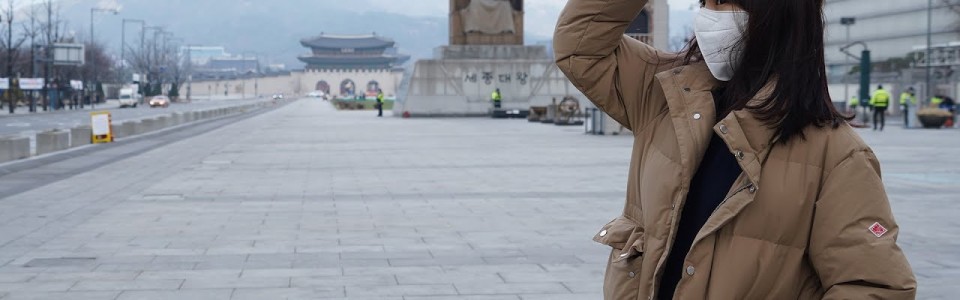
The current global pandemic of Covid-19 has created unprecedented conditions for everyone, challenging established ways of working, living and socialising. It has also created incredibly rapid change in cities – from deserted streets as lockdowns are enforced to new ways of socialising and working remotely as social distancing is implemented. And it has given renewed attention to the role of key sectors, especially around health care, and the fragility of the economic basis of sectors frequently labelled as low skilled.
Whilst acknowledging that getting a perspective of the future can be difficult as we live in these times of great uncertainty, it does provide a moment to reflect on what is likely to change (in future) as a result of the current experiences. As Robertson (2018) said “predicting someone’s future is not overly difficult… often all you need to do is look as someone’s present in order to predict their future”.
As part of our research on the future of cities, the IFC Team have put together some short briefings on how todays’ (different) experiences of living with Covid-19 might impact on our urban futures. We’d love to hear you thoughts on this – join the conversation through Twitter
The briefings are based on experiences in the UK, but many of the issues will have more global significance. The following are split into two parts – the first exploring some of the trends which we believe will be ACCELERATED by the changes in social behaviour around the coronavirus, and the second where alternative ways of imaging the city future might EMERGE. And as the world and in particular the world’s cities adapt to living within the new coronavirus, we consider how cities are ADAPTING to living with the new reality.
- Accelerating trends
The final death knell of the High Street store?
Shifts to online shopping? – survey data from Appinio 24/3/2020
- Emergent opportunities
Debating a denser urban future
Urban second homes : Escaping health crises – unwelcome social distancing
Urban air quality improvements
Low skill precarious work in the smart city – pushing back the process of skill gentrification
3. Adapting and living with the ‘new reality’
